With options to leave, Yazidi nurse chooses to stay

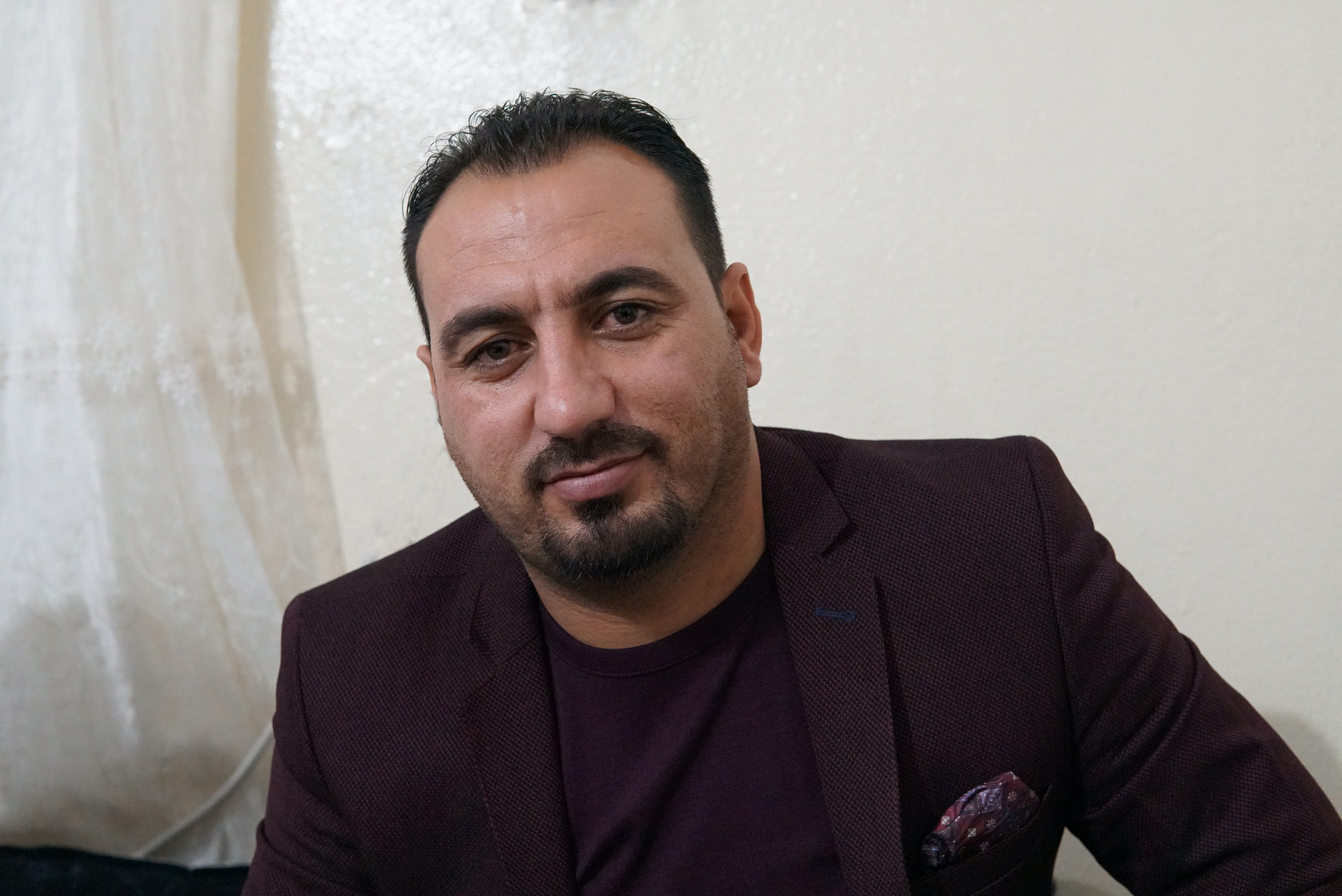
Tahseen Murad Haider

Tahseen Murad Haider has told his story many times by now, and he doesn’t want to spend much time rehashing it. It’s understandable why.

Haider was an emergency room nurse in Sinjar General Hospital as the so-called Islamic State, or ISIS, drew near in its bloody march to conquer the region. Haider is a Yazidi, an ancient people that have a religion that ISIS considers to be demonic. And ISIS intended to wipe out the Yazidi. Haider was working at the hospital on Aug. 3, 2014, when a call came in: ISIS is coming; you have five minutes to get out. 

“If you didn’t get out, it means you would be arrested,” he said. And that meant almost certain death.

“There were only two options: Either you want to save your life or stay with the patients,” he said. “So we could not stay anymore. I heard after that all of the patients got killed.”

Haider and thousands of other Yazidi were forced up Sinjar Mountain, in what would become known as a massacre as ISIS besieged the mountain in an attempt to destroy the Yazidi. He would eventually have to walk to Syria before returning on foot.

“It was a terrible life,” he said. “We lost hope. We lost everything.”
A doctor trying ‘to heal some of the wounds of my people’

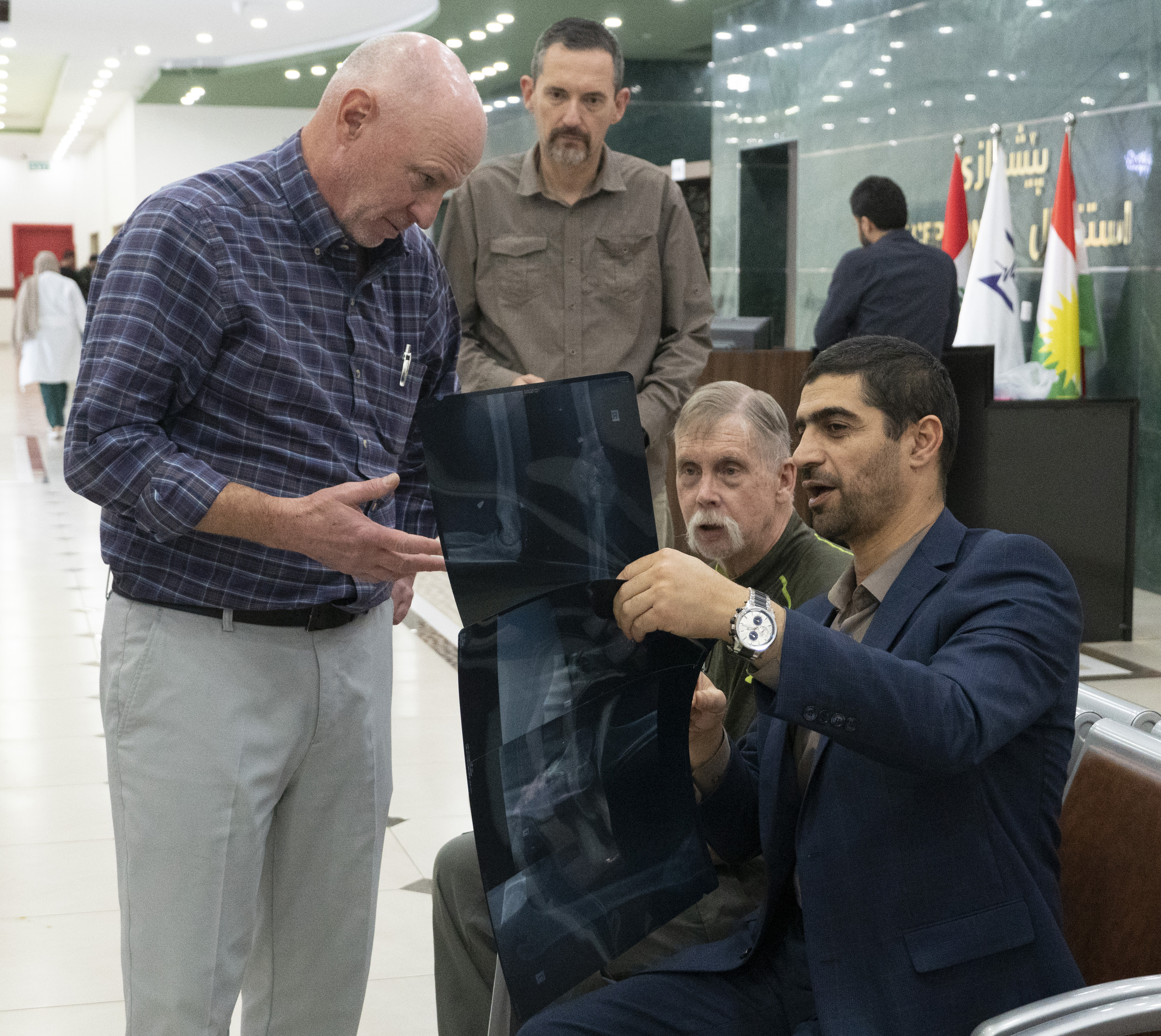
Dr. Muthanna Hammoshi, right, looks at X-rays with American Drs. Paul Frewin and Kip Parsons, while Tim Hayes looks on from behind.

Dr. Muthanna Hammoshi is an orthopedic surgeon and a professor at the medical college in Mosul, Iraq. He grew up in what he says was the “golden age” of Mosul in the 1980s, but since then, the city has seen its golden image lose all its luster.

Once the second-largest city in Iraq, Mosul was destroyed after ISIS took control – and then lost it in the bloody battle of Mosul. 

That’s a defining point in the modern history of the ancient city, which was once known as Nineveh. 

Continue reading

The monks who defied ISIS: A witness on the mountain

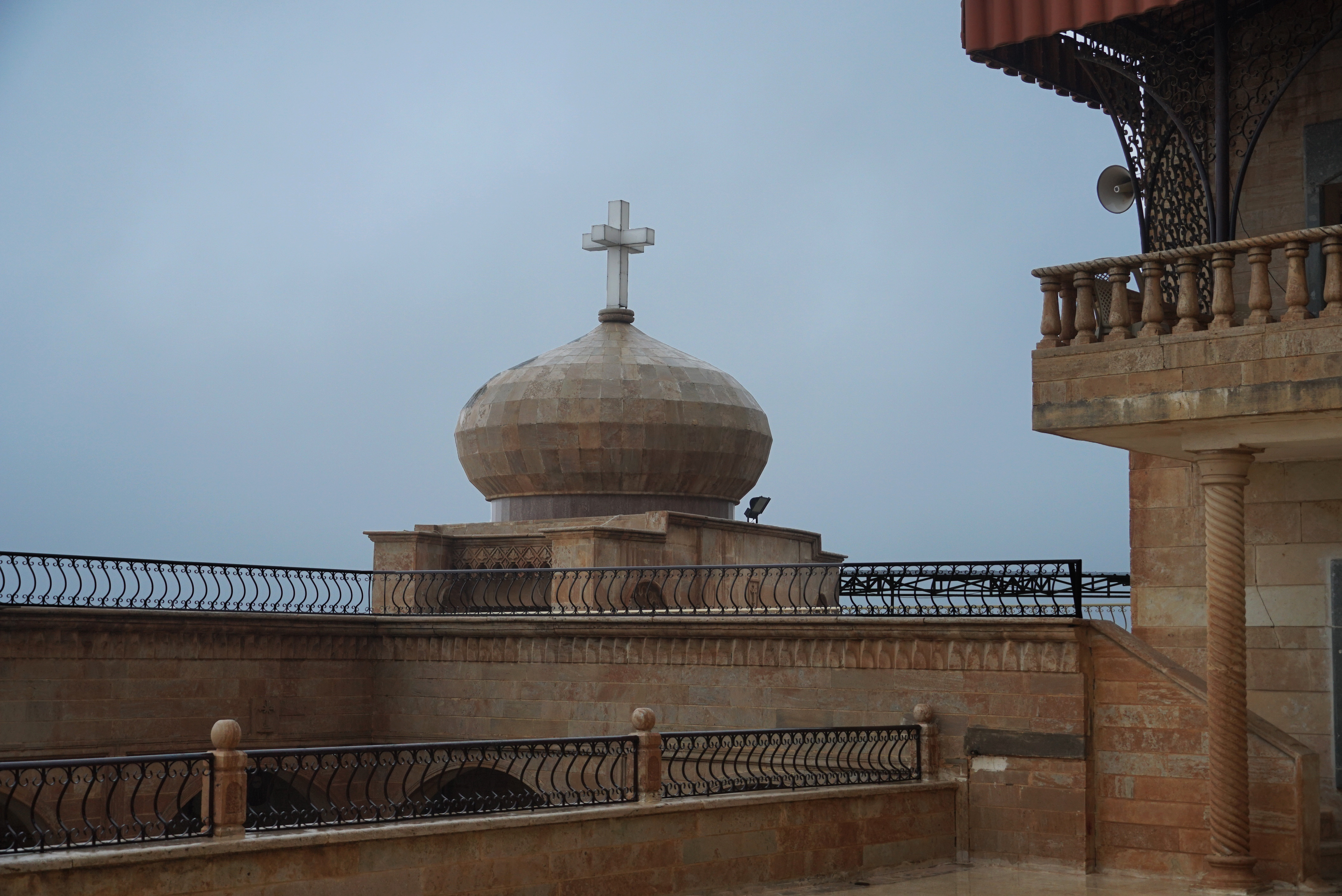
St Matthews big crossSt. Matthew’s monastery (known as Mar Mattai) has looked out over the Nineveh plains since the fourth century, and over the centuries, the monastery had been attacked and seen manuscripts destroyed.

As ISIS approached Mosul a few years ago, the monks removed several 600-year-old manuscripts for safety. Although ISIS was pushed out of Mosul last year, the manuscripts have yet been returned, and the monks say they’re not sure if and when they will.

raban-yosef2

Raban Yousiff

“We are not sure of anything in the future,” said Raban Yousiff, who oversees the monastery, to the laughter of visitors.

Raban Yousiff is a Syriac Orthodox monk who has been at the monastery for a dozen years. On a clear day, you can see Mosul from the monastery, which sits high on a mountainside.

During the ISIS occupation of Mosul, the monastery sheltered Christians who fled from the city. And, in an interview with ABC News during ISIS’ occupation, Raban Yousiff said he saw a larger plan to “empty the whole Middle East of Christians.”

Although ISIS had come within three miles of the monastery, Raban Yousiff expected Christianity to stay on the mountainside because it had persisted through any number of attacks and empires as a persistent witness for the Christian faith for more than 1,600 years. He, also, expected it to last on the mountainside, even if he was “the last of them.”

See more photos by clicking here.  Continue reading