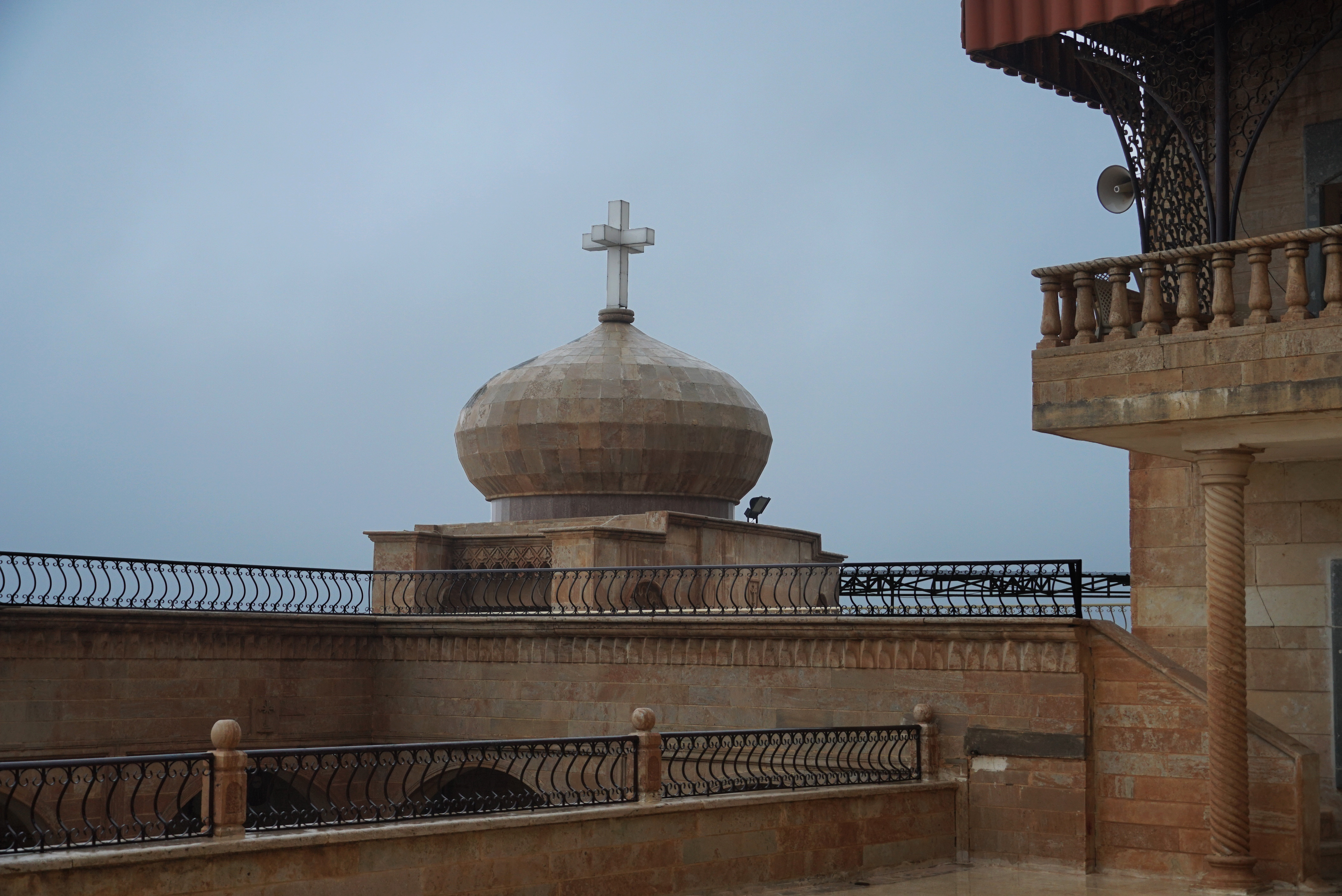
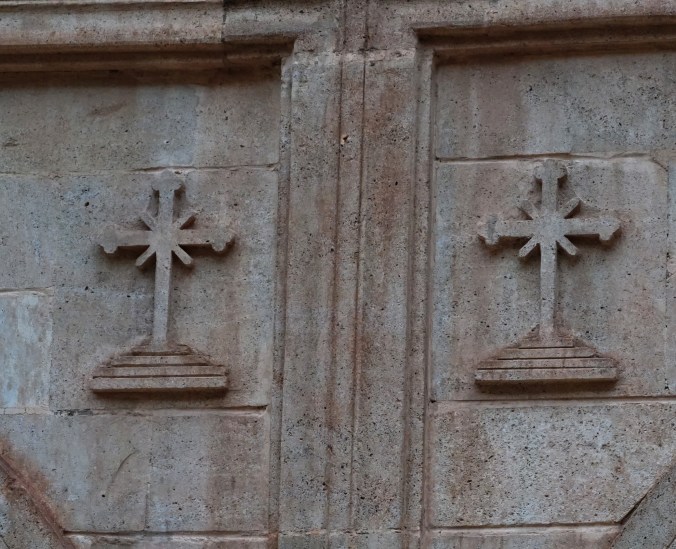
 St. Matthew’s monastery (known as Mar Mattai) has looked out over the Nineveh plains since the fourth century, and over the centuries, the monastery had been attacked and seen manuscripts destroyed.
As ISIS approached Mosul a few years ago, the monks removed several 600-year-old manuscripts for safety. Although ISIS was pushed out of Mosul last year, the manuscripts have yet been returned, and the monks say they’re not sure if and when they will.

Raban Yousiff
“We are not sure of anything in the future,” said Raban Yousiff, who oversees the monastery, to the laughter of visitors.
Raban Yousiff is a Syriac Orthodox monk who has been at the monastery for a dozen years. On a clear day, you can see Mosul from the monastery, which sits high on a mountainside.
During the ISIS occupation of Mosul, the monastery sheltered Christians who fled from the city. And, in an interview with ABC News during ISIS’ occupation, Raban Yousiff said he saw a larger plan to “empty the whole Middle East of Christians.”
Although ISIS had come within three miles of the monastery, Raban Yousiff expected Christianity to stay on the mountainside because it had persisted through any number of attacks and empires as a persistent witness for the Christian faith for more than 1,600 years. He, also, expected it to last on the mountainside, even if he was “the last of them.”
See more photos by clicking here.
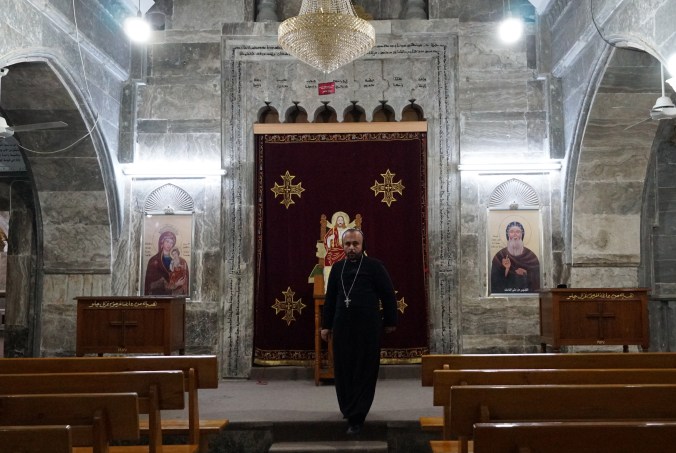
A monk in the chapel. 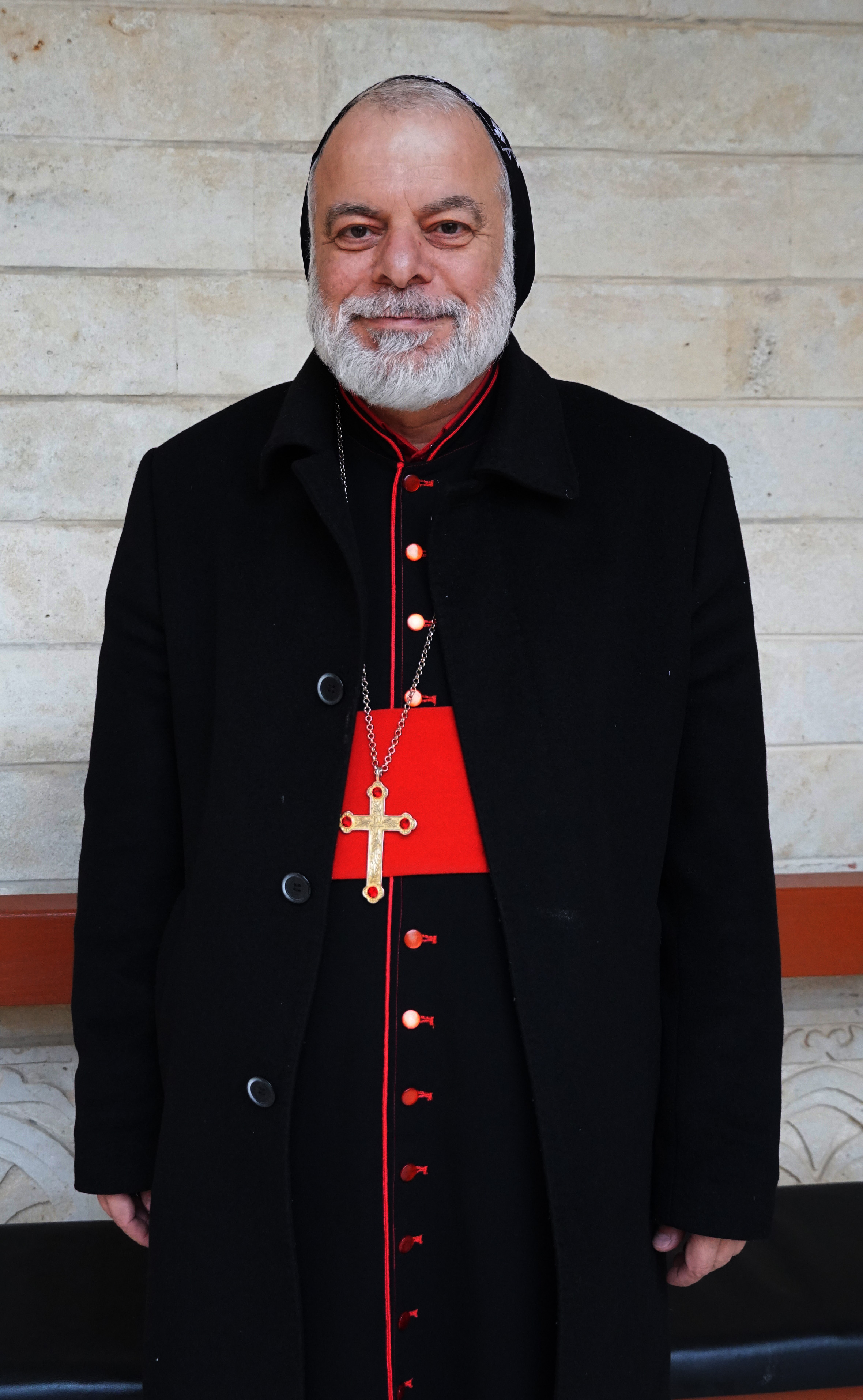
Archbishop Mosa 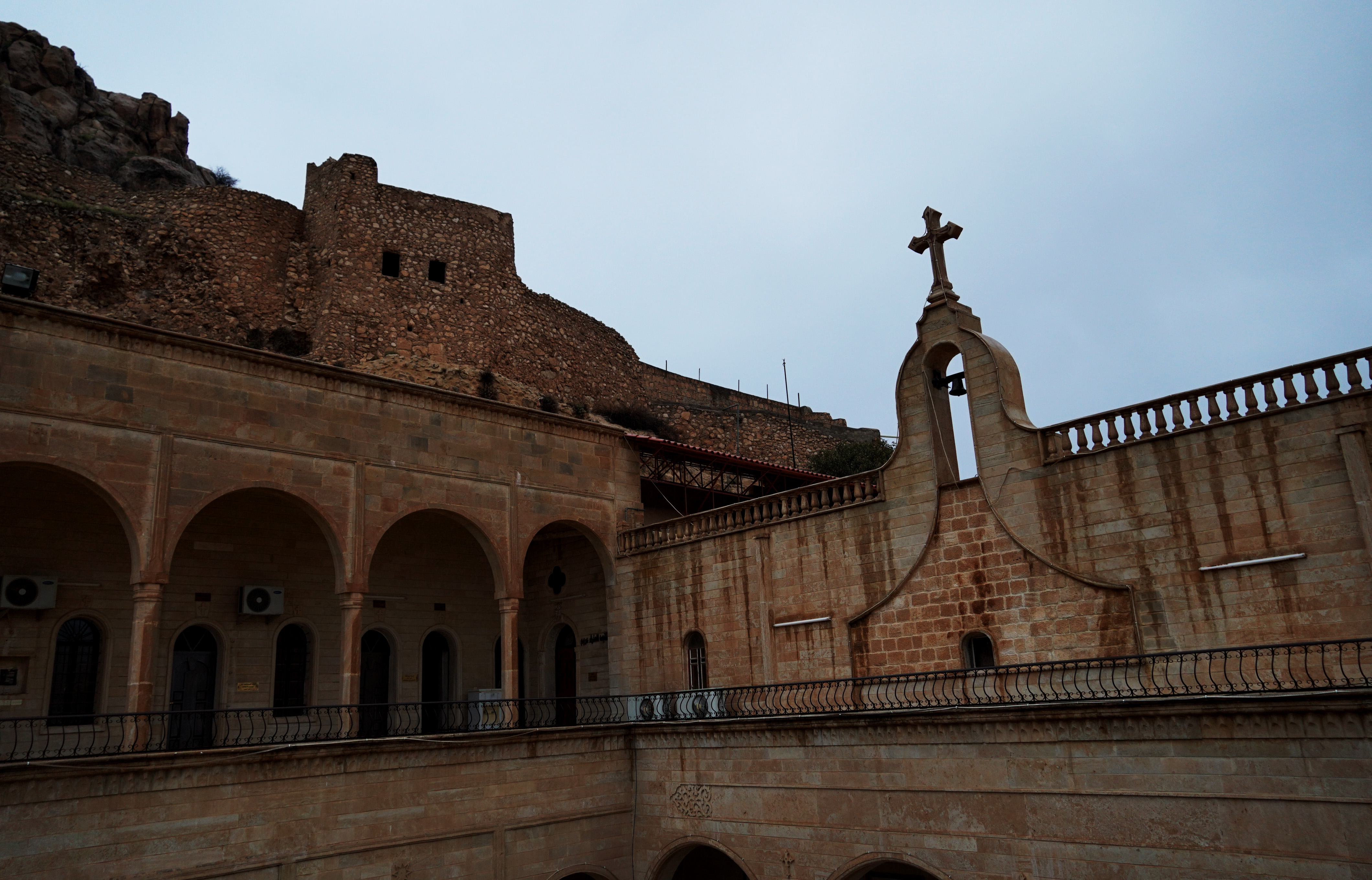
 Matt Hufman