A new place to call home

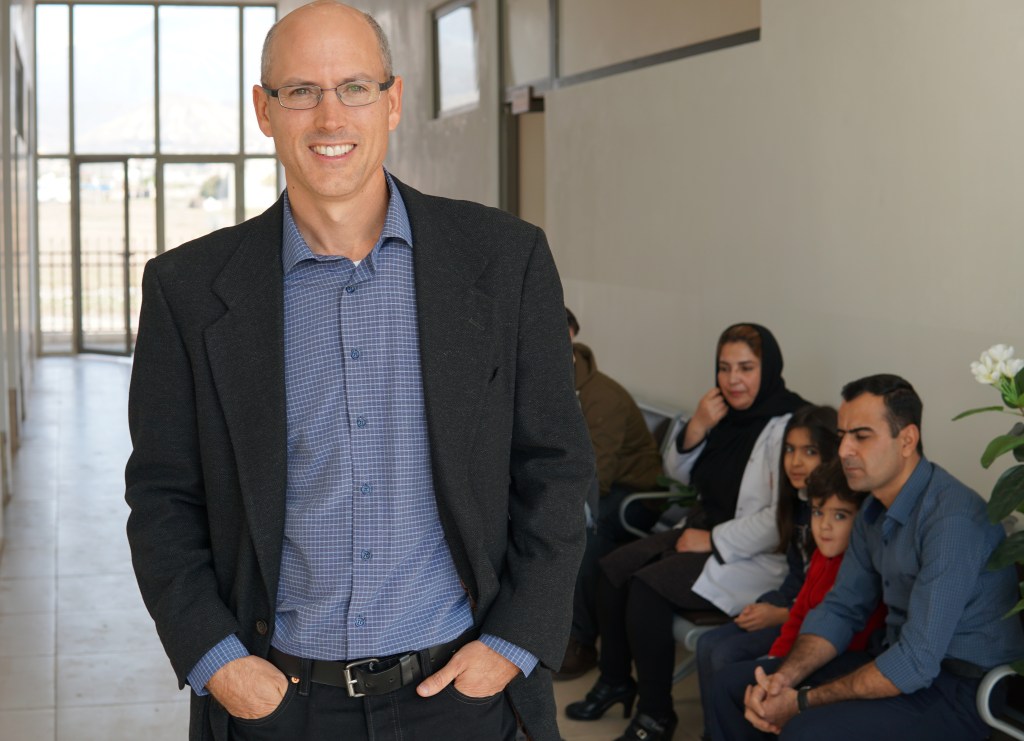
Billy Ray stands in a brightly lit medical clinic in the Kurdish mountain town of Soran, not far from the Iranian border. The sun fills the hallway, streaming through floor-to-ceiling windows, bathing patients – children and their parents – in light. 

Ray smiles. 

The clinic is new, giving the patients – refugees, widows, and orphans – access to needed medical care. It is just the latest in the string of work Ray has spearheaded over the last decade in Kurdistan, a semi-autonomous region in northern Iraq. 

It wasn’t where he planned to be in life. Ray and his family moved to Soran after years in Turkey seeking to plant churches. Although they saw Turkey as home, they faced persecution and threats from the government, and they had colleagues who were jailed and beaten. The media attacked them as well. 

They were forced to leave Turkey due to health issues and when they recovered, doors in Turkey had closed. Instead, God was leading them on to work with orphans in northern Iraq. 

Not sure what to expect, Soran has been a breath of fresh air for the Rays. They have been welcomed into Kurdistan. 

“We work hand-in-glove with the local government,” Ray said. “The mayor has been the driving force and vision from the beginning.”

That relationship started when the Rays were scouting for a place in which to serve in Kurdistan back in 2007. Billy Ray was directed to Soran, which had the largest population of orphans in the region. He visited and met with the mayor, asking if there was any way he could serve the people of Soran. The mayor said the city needed a place to train widows. 

Ray, who works with World Orphans and The Refuge Initiative, took it on and raised money to build a community center where widows have received job training. 

He went back to the mayor who asked for refugee housing for people fleeing from the barbarous carnage of the so-called Islamic State. It was a big ask – 150 units – but more money came in, and the housing was built. Later, when education for the refugees became apparent Ray again raised money, and built a school that today educates refugee children. Soon, it will also provide needed health education. 

The medical clinic was an even bigger ask. Ray feared it might be too much. Yes, it would serve the refugees and the residents of the Freedom Martyrs Quarter, a part of Soran built for war widows, but Ray wasn’t sure he could raise enough for that. 
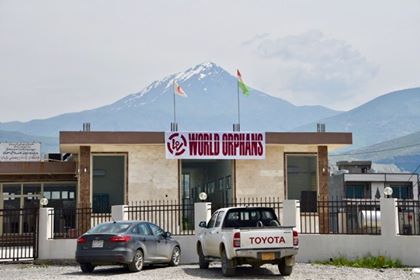
A recent view of the clinic, courtesy of Billy Ray.

“And then, like a week later,” Ray recalled, “a donor approached me and said, ‘Hey, Billy, we want to build a clinic in northern Iraq (Kurdistan).’” 

Today, Ray has a team of medical professionals who have come to serve in the clinic and work with the people of Soran. 

For Ray that has been a confirmation of what God is doing, and how He has opened doors in Kurdistan to provide help for people who need it. 

“There are few places in the Middle East that will give someone a chance to change their opinion of Christianity,” Ray said. “Soran is one of them. They’ve given me this opportunity, and we’ve done our best coming alongside local leaders and trusting in their ability to solve the problems like these pressing down on them.

“Linking the Kurdish people to the resources and goodwill of the West, through prayer and a whole host of churches and other organizations, we’ve been able to accomplish a whole lot together.” 

Ray said his mission in Soran is not to try to make converts but to show God’s love to people. “We came here to showcase God’s love without an agenda,” Ray said. 

Over the years, the Rays have earned the respect of the people in Soran. The Kurds – the largest ethnic minority without an independent homeland – have long struggled in the region, facing pressure and persecution from various governments. 
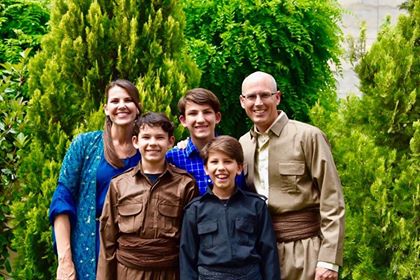
The Ray family in Kurdistan. Courtesy of Billy Ray.

“Anyone that comes along and says, ‘We’re rooting for you,’ they’ll listen, and they’ll give you a chance,” Ray said. “Because of the crucible the Kurdish people have been in, they’re open to hear another story. They’re open to find a new ally in their struggle for freedom.” 

In the Rays, the Kurds have found a new ally. And in Kurdistan, the Rays have found a new home.
With options to leave, Yazidi nurse chooses to stay

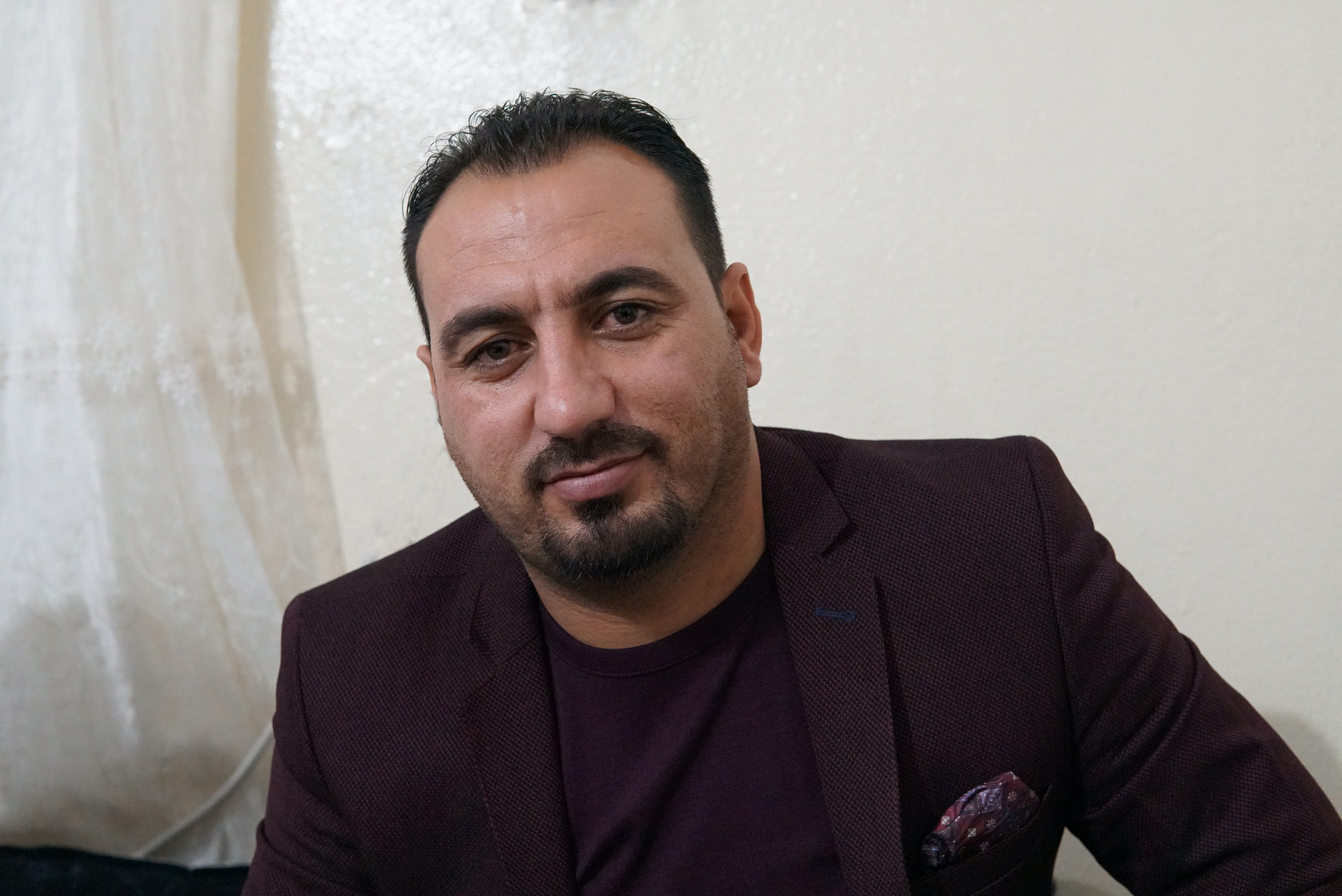
Tahseen Murad Haider

Tahseen Murad Haider has told his story many times by now, and he doesn’t want to spend much time rehashing it. It’s understandable why.

Haider was an emergency room nurse in Sinjar General Hospital as the so-called Islamic State, or ISIS, drew near in its bloody march to conquer the region. Haider is a Yazidi, an ancient people that have a religion that ISIS considers to be demonic. And ISIS intended to wipe out the Yazidi. Haider was working at the hospital on Aug. 3, 2014, when a call came in: ISIS is coming; you have five minutes to get out. 

“If you didn’t get out, it means you would be arrested,” he said. And that meant almost certain death.

“There were only two options: Either you want to save your life or stay with the patients,” he said. “So we could not stay anymore. I heard after that all of the patients got killed.”

Haider and thousands of other Yazidi were forced up Sinjar Mountain, in what would become known as a massacre as ISIS besieged the mountain in an attempt to destroy the Yazidi. He would eventually have to walk to Syria before returning on foot.

“It was a terrible life,” he said. “We lost hope. We lost everything.”

A doctor trying ‘to heal some of the wounds of my people’

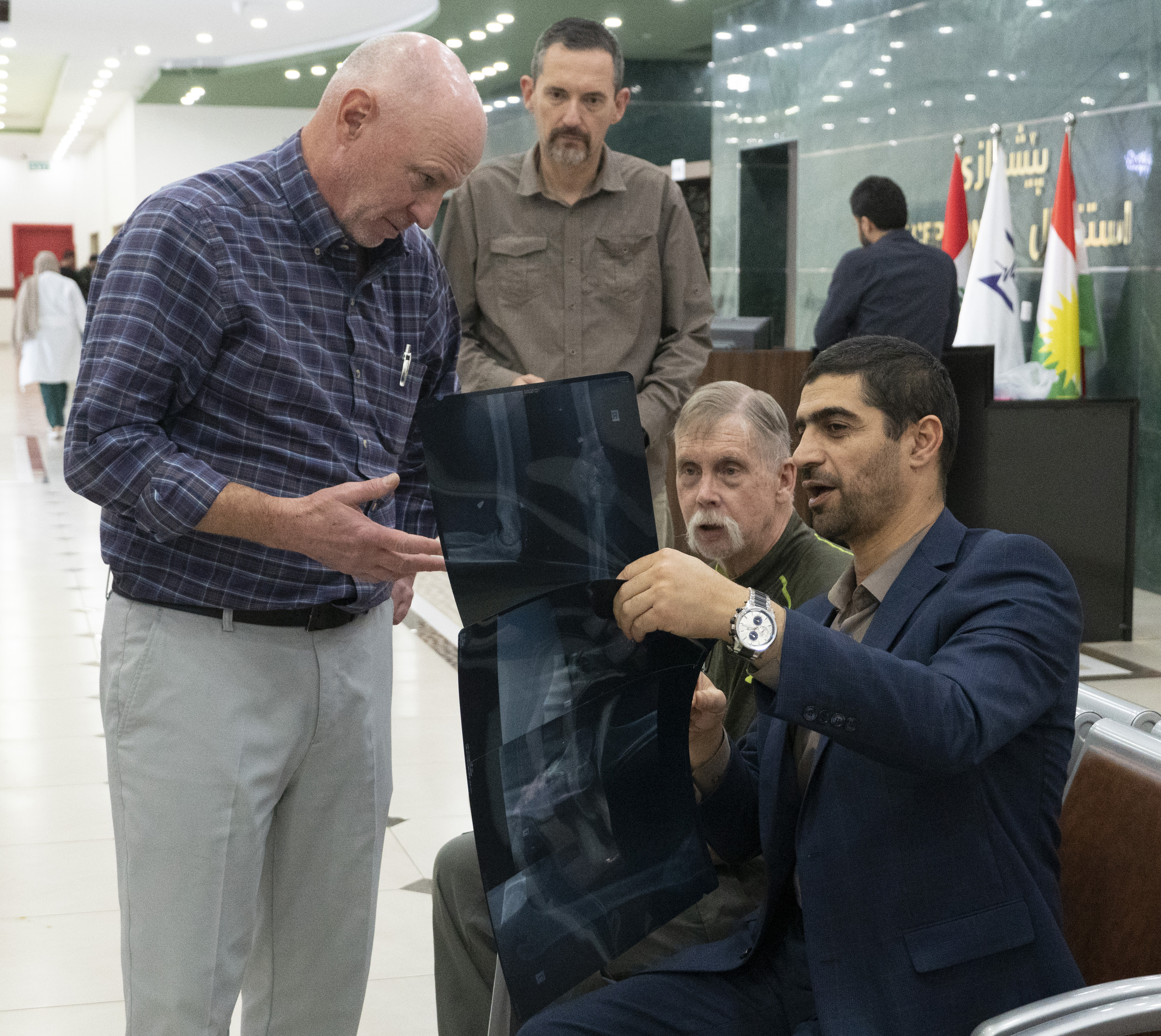
Dr. Muthanna Hammoshi, right, looks at X-rays with American Drs. Paul Frewin and Kip Parsons, while Tim Hayes looks on from behind.

Dr. Muthanna Hammoshi is an orthopedic surgeon and a professor at the medical college in Mosul, Iraq. He grew up in what he says was the “golden age” of Mosul in the 1980s, but since then, the city has seen its golden image lose all its luster.

Once the second-largest city in Iraq, Mosul was destroyed after ISIS took control – and then lost it in the bloody battle of Mosul. 

That’s a defining point in the modern history of the ancient city, which was once known as Nineveh. 

Continue reading

The monks who defied ISIS: A witness on the mountain

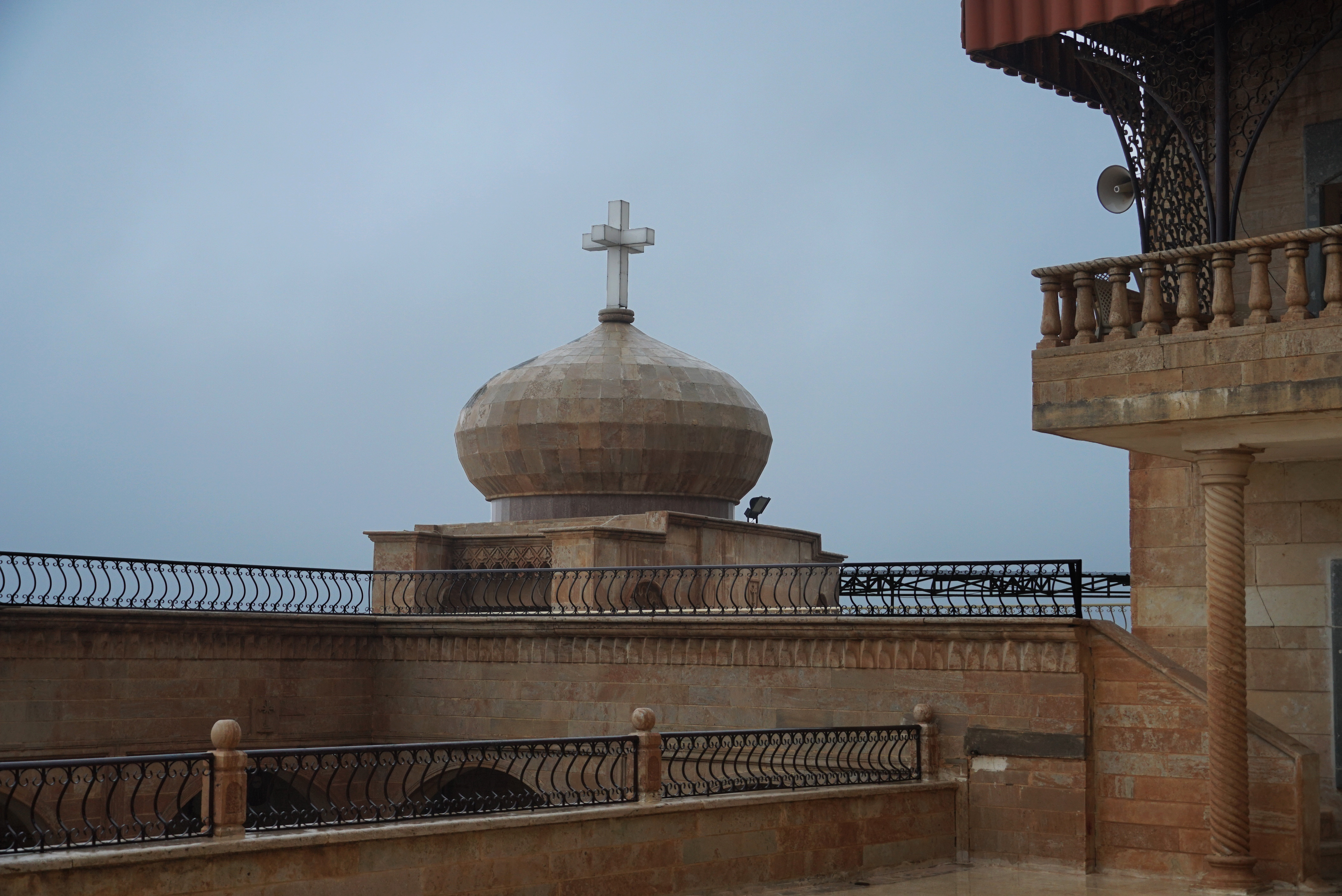
St Matthews big crossSt. Matthew’s monastery (known as Mar Mattai) has looked out over the Nineveh plains since the fourth century, and over the centuries, the monastery had been attacked and seen manuscripts destroyed.

As ISIS approached Mosul a few years ago, the monks removed several 600-year-old manuscripts for safety. Although ISIS was pushed out of Mosul last year, the manuscripts have yet been returned, and the monks say they’re not sure if and when they will.

raban-yosef2

Raban Yousiff

“We are not sure of anything in the future,” said Raban Yousiff, who oversees the monastery, to the laughter of visitors.

Raban Yousiff is a Syriac Orthodox monk who has been at the monastery for a dozen years. On a clear day, you can see Mosul from the monastery, which sits high on a mountainside.

During the ISIS occupation of Mosul, the monastery sheltered Christians who fled from the city. And, in an interview with ABC News during ISIS’ occupation, Raban Yousiff said he saw a larger plan to “empty the whole Middle East of Christians.”

Although ISIS had come within three miles of the monastery, Raban Yousiff expected Christianity to stay on the mountainside because it had persisted through any number of attacks and empires as a persistent witness for the Christian faith for more than 1,600 years. He, also, expected it to last on the mountainside, even if he was “the last of them.”

See more photos by clicking here.  Continue reading

Finding Rahab

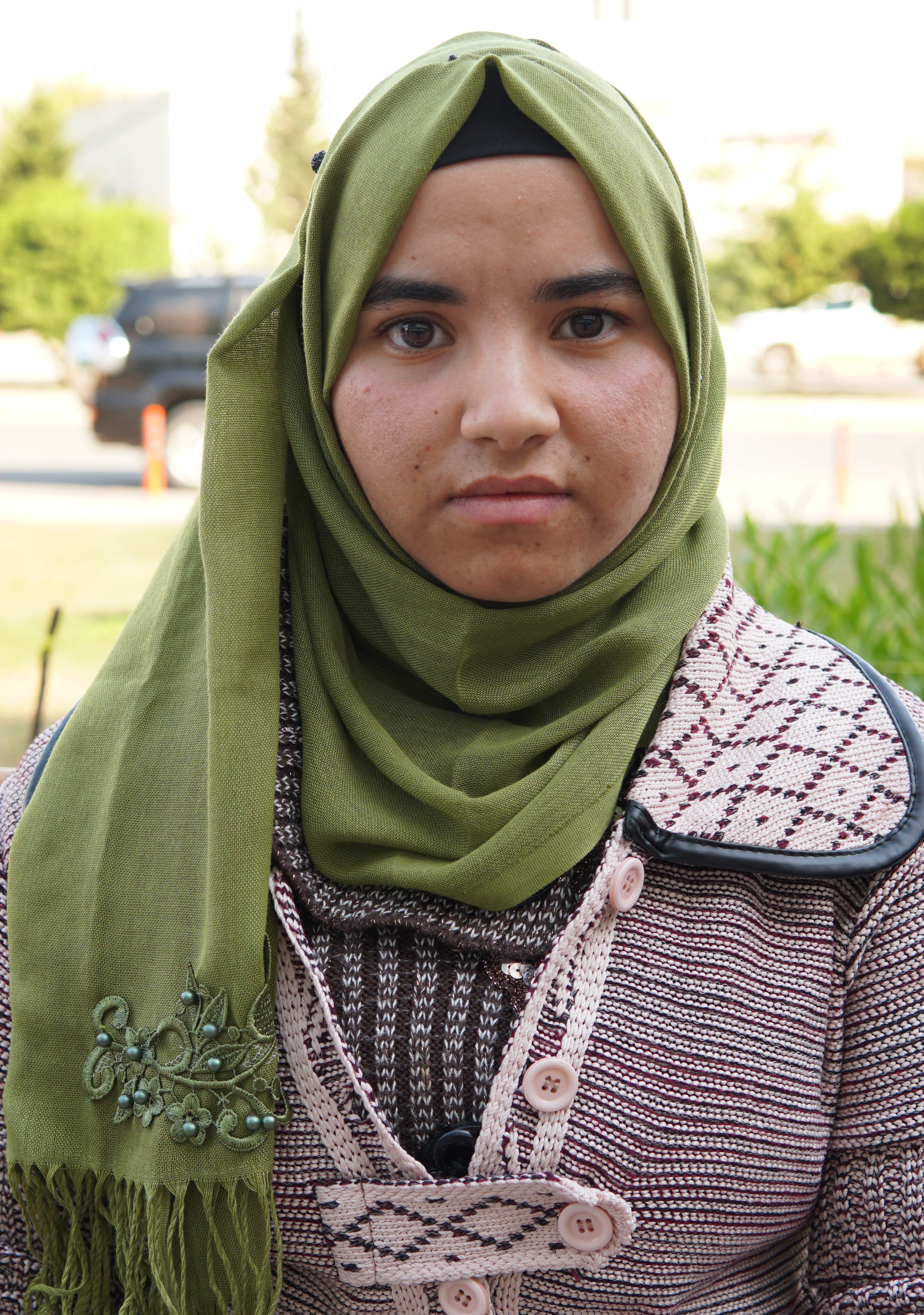
During the battle of Mosul last year, 17-year-old Rahab was thought to be dead. Her family’s concrete home, where she had been, collapsed during an attack. Her parents, who both suffered injuries, were able to escape to safety as ISIS soldiers shot at them.

They feared that Rahab was dead.

At the pleading of her parents, a team of Iraqi soldiers and members of the Free Burma Rangers, a non-governmental organization that helps civilians caught in war zones, went looking for her, but it took them two days before they could fight into her neighborhood, pushing back ISIS soldiers long enough to check the house. It was completely demolished.

Rahab

Rahab

However, part of the team spotted a sign of life – and heard Rahab. That was a miracle in and of itself. David Eubank, the founder of the Free Burma Rangers, thanked God for the good news and prayed that she could make it another day until they could round up the resources to mount a rescue.

Iraqi army officials and Eubank came up with a rescue plan, bringing in troops and armored vehicles to fend off ISIS while Iraqi firefighters cut the concrete and pulled Rahab from the wreckage.

It worked, and she was quickly pulled out and carried to a Free Burma Ranger ambulance. Continue reading

A trip to Kurdistan

I’m doing some short pieces from a trip to Kurdistan, in which I had a chance to visit with a variety of people, including doctors, “fixers,” aid workers, and ministers. (The photo is of a shepherd I met. We tried — and failed — to have a discussion. But it was clear he was skilled in what he did.) Thanks for joining me on this trip. Let me know your thoughts.A shepherd

A Yazidi in middle America

Malo

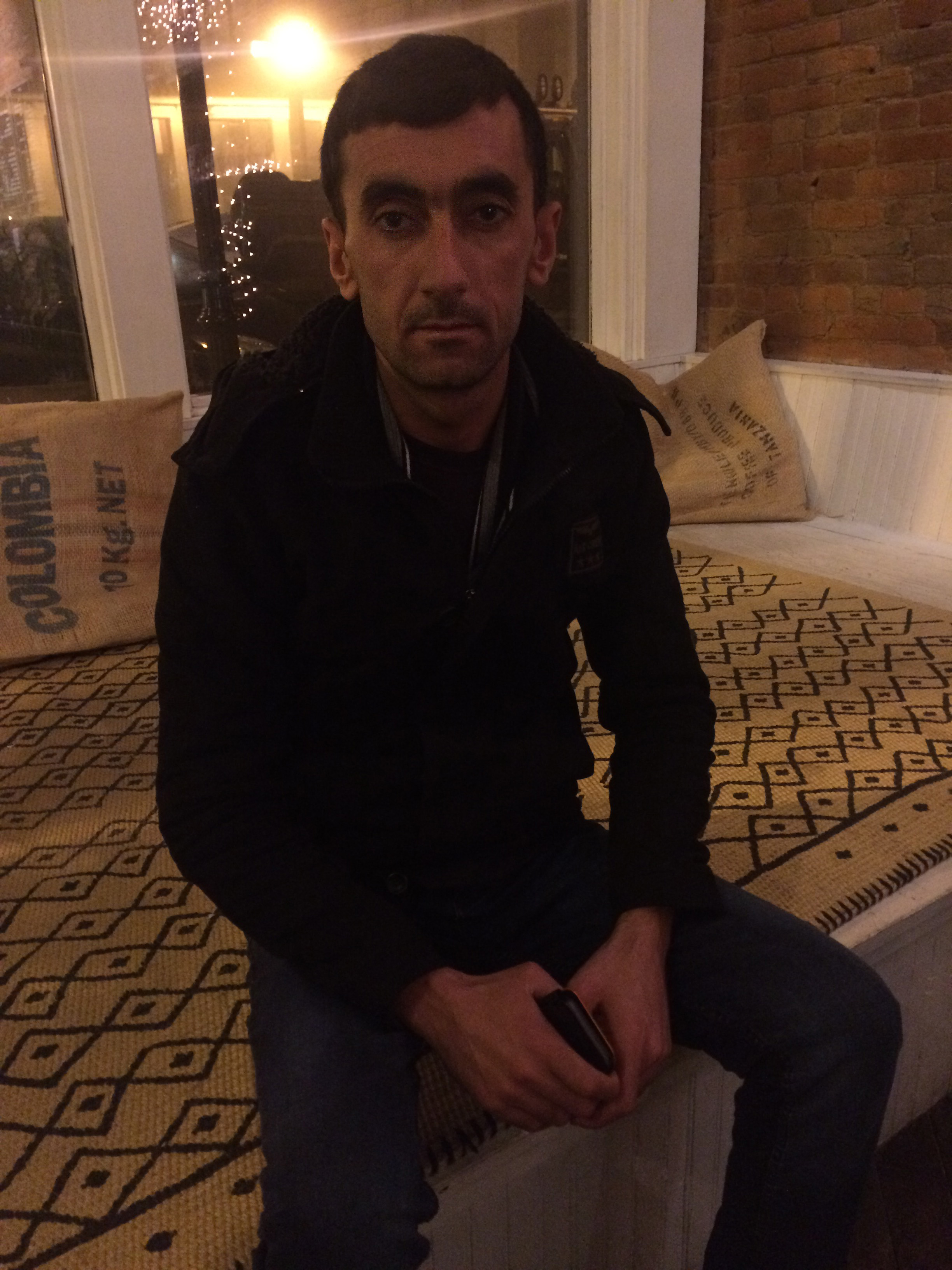
Yousif “Malo” Shaheen in January, 2018, at the Eurasia Cafe in Springfield, Mo., the night before a major eye surgery.

Here’s a story I wrote about a Yazidi man whose eyes were badly damaged while  fighting with Kurdish forces against ISIS. His right eye was blinded, and his left eye was badly damaged by shrapnel from a rocket-propelled grenade.

The Yazidis are a religious minority and were persecuted by ISIS. A United Nations commission found that ISIS committed genocide against the Yazidi – the reports of what ISIS did are horrific.

Yousif, or “Malo,” as he’s known, was brought to America by attorney Tim Hayes, who serves with a Christian humanitarian group called the Free Burma Rangers. Hayes and friends were able to arrange surgical care for Yousif in Springfield, Missouri.

There’s much more to the story, which ran in the Springfield News-Leader:

http://www.news-leader.com/story/news/local/ozarks/2018/01/17/wounded-isis-yazidi-fighter-finds-healing-springfield/1028437001/

The gift and curse of planning your own funeral

My toddler is scurrying between wheelchairs in a convalescence hospital, chasing oversized party balloons. For the people in the wheelchairs, hitting balloons back and forth is supposed to be physical therapy, but few people seem interested, much less fully coherent.

His grandmother, my mother-in-law, is in a circle of wheelchairs, one of the few people on this day intent on hitting the balloons. My 2-year-old scampers over to her chair to wave and then gets distracted by a balloon skittering across the institutional linoleum. He provides a rare spark of life in a place where death makes frequent house calls.

My wife quietly interrupts the scene and wheels her mother out of the room, the 2-year-old dutifully in tow. There is work to be done. My mother-in-law wants to plan her own funeral.

After years of health problems, her body is shutting down and her mind, once quick with facts and details, is often confused. Doctors have admitted her into a hospice program and say death will visit soon.

Planning her funeral is a gift for a woman who kept lists of lists and loved to organize and plan parties. She greets me with a stack of yellow pads, a folder from a funeral home, and a newly acquired Gideon’s Bible. The yellow pads contain a guest list and ideas for the funeral. But the hand that once wrote things out in immaculate cursive now scrawls out names and ideas.

She wants Bible verses that contain some of the themes she would like stressed at the funeral: love, peace, forgiveness, family, and friends. She doesn’t know where to look, so I offer some ideas. We talk and plan until it becomes apparent we are done for the day. I had asked what she had just written – she doesn’t know.

We have not talked about the funeral since then. What energy she has now diminishes quickly. The facts and figures get badly jumbled. Her work has turned from funeral planning into fiction, as dreams and hallucinations have replaced reality. There is a conspiracy that has consumed her and she claims to have been taken hostage by imaginary captors.

Her body and mind continue to deteriorate. The family, stressed on all sides, remains. My father-in-law, wife, and children visit several times a day and cater to her every need. Pepsi for the diabetic? At this point, no problem.

Dylan Thomas’ line “Do not go gentle into that good night” works so much better on paper than in reality, as the woman the family has known seems to fade away, existing only in parts and pieces. That may be nowhere more evident than in her funeral planning. She became angry recently because, as she explained it, she threw a great funeral party and none of her guests came.

Some day too soon people will come to a funeral. It will be the last great party she planned. They will remember her life and enjoy who she was but she will not be present. She will have find peace as she goes into that good night.


A trip on the Loneliest Road

I’ve applied for a “fellowship” offered by Atlas Obscura and TravelNevada to take a trip this summer on Highway 50 – the “Loneliest Road.” I used photos and art I made to describe what I’d do, and opened iMovie for the first time. The result is on YouTube, for better or worse.

Highway 50 really is a gem – it cuts through fascinating geology and goes past everything from petroglyphs to the Pony Express trail (it actually goes over the site of a station) and a nuclear test site.

But instead of writing more about this, you can see the video here:

Some days mysteries are better left alone for the view

warning spot.jpgSome days, I miss Nevada and the West more than others. I particularly miss the little-known spots, the rarely visited locations, and the wide-open places.

This picture is from a spot in Central Nevada, east of Tonopah. The federal government wanted to set off a nuclear bomb in this place many years ago, but they abandoned those plans after a nearby nuclear test caused more problems than the engineers expected.

However, before abandoning plans, the federal government prepared the site for a nuclear test, and then left white pillars as warning signs. Why the warnings? That has never been clear to me. Supposedly, there was some sort of contamination in the preparation of the site. (The signs say there is “petroleum impacted soil.”) Perhaps the federal government doesn’t want people poking around (figuratively and literally).

There are many mysteries in Nevada and the West, and plenty of wide-open spaces to ponder those mysteries. But at the point I took the photo, it was better to leave the mystery for another day and just watch the moon rise over the mountains.